Transfers
Railway station transfers
A car standing at the right gate when your train comes in, or a drop that puts you on the platform with time in hand. The vehicle and the driver are settled the evening before, with his number, so a train running three hours late means ringing somebody who already knows your name and your train.
- From
- ₹11.00a kilometre in a hatchback. Every class and every charge is on the rate card.

The Delhi stations we drop at
Which side of each one the car stands at, and what settles it. Send the train number with the enquiry and the driver is told.
NH-44 to Azadpur, then the Ring Road in
Paharganj and Ajmeri Gate are two different addresses on opposite sides of the tracks, so the side goes on the duty slip along with the train number. On a drop the figure to work with is the departure on your ticket less this run, not this run on its own.
NH-44 in, then down through Azadpur to the Chandni Chowk side
The station faces Chandni Chowk and the approach is slow at almost any hour, which is time on the road rather than time at the station and it belongs in what you subtract from the departure. Send the train number with the enquiry and the driver is told which gate to stand at.
Run times are typical door to door in normal traffic, and a wedding morning or a fog day is not normal traffic. The line on the map marks the two places, not the road between them.
The stations, grouped by the line they sit on
A line tells you more than a district does. It decides which trains stop where, and a station half an hour further up it is quite often the one with the train worth catching.
Where the lines meet in DelhiOne ticket says Delhi and the code on it decides which of these, and they are on different sides of the city.
- New Delhi (NDLS)
- Delhi Junction, Old Delhi (DLI)
- Hazrat Nizamuddin (NZM)
- Anand Vihar Terminal (ANVT)
- Delhi Sarai Rohilla (DEE)
- Delhi Cantt (DEC)
- Ghaziabad (GZB)
Delhi to Ambala, and the branch up to KalkaThe trunk route through Panipat, which is the line most people on this stretch are actually travelling on.
- Sonipat
- Panipat Junction
- Karnal
- Kurukshetra Junction
- Shahabad Markanda
- Ambala Cantt
- Ambala City
- Chandigarh Junction
- Kalka
Ambala towards AmritsarThe Punjab main line, where a train carrying on from Ambala leaves the Kalka branch behind.
- Rajpura Junction
- Sirhind Junction
- Ludhiana Junction
- Phagwara Junction
- Jalandhar City
- Jalandhar Cantt
- Beas
- Amritsar Junction
Pathankot, Jammu and KatraThe far end of the same rails, and the stretch a Vaishno Devi party arrives on.
- Pathankot Cantt
- Jammu Tawi
- Udhampur
- Shri Mata Vaishno Devi Katra
The Saharanpur and Moradabad sidesThe two lines that turn east off the GT road corridor, one towards the hill gateways and one down through the plains.
- Yamunanagar Jagadhri
- Saharanpur
- Roorkee
- Haridwar
- Yog Nagari Rishikesh
- Dehradun
- Meerut City
- Moradabad
- Bareilly
The classes a station run goes out in
These are in the order worth offering for a station run rather than in rate order, and every one of them is quoted off the same published card. Tell us the size of the party with the enquiry and the quotation comes back against the class that suits it.
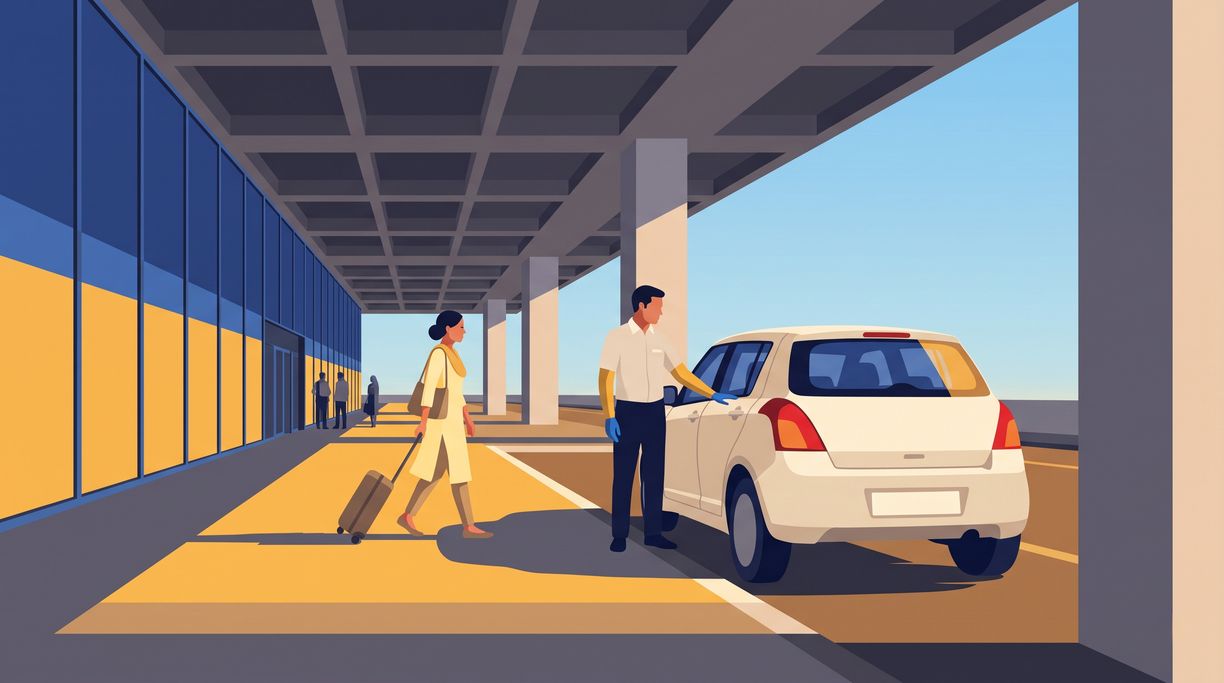
Hatchback
Maruti Swift, Maruti WagonR, or similar
- Seats
- 4
- Per km
- ₹11.00
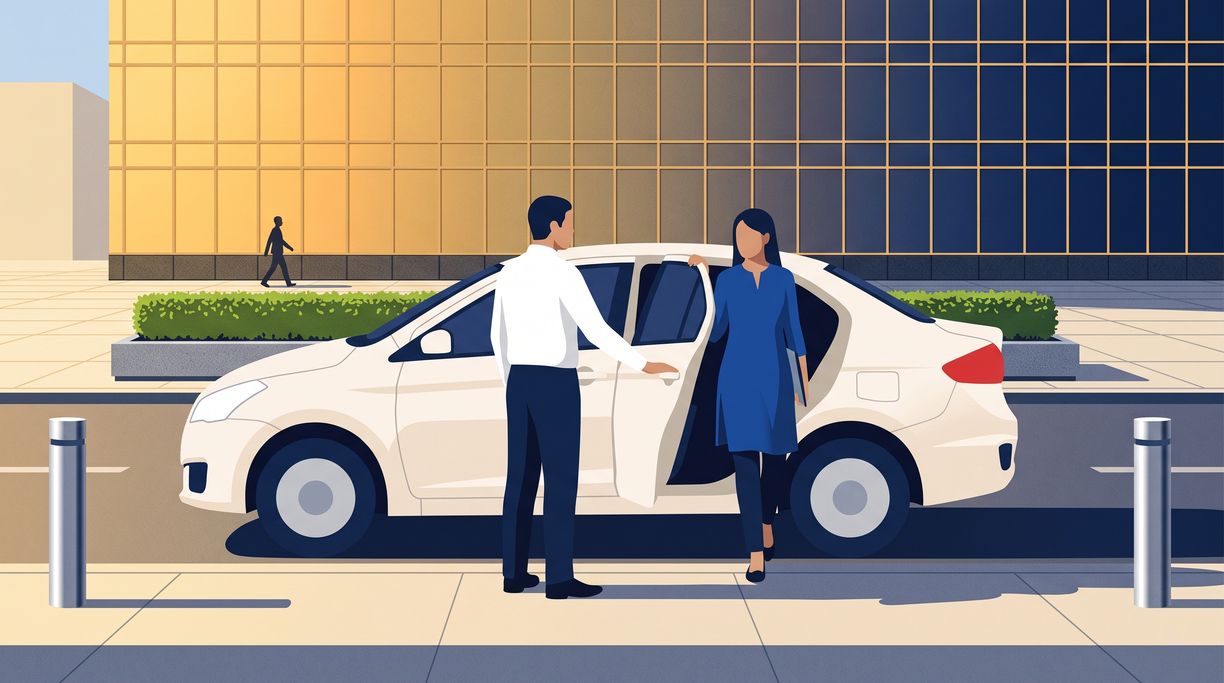
Sedan
Maruti Dzire, Honda Amaze, or similar
- Seats
- 4
- Per km
- ₹12.00
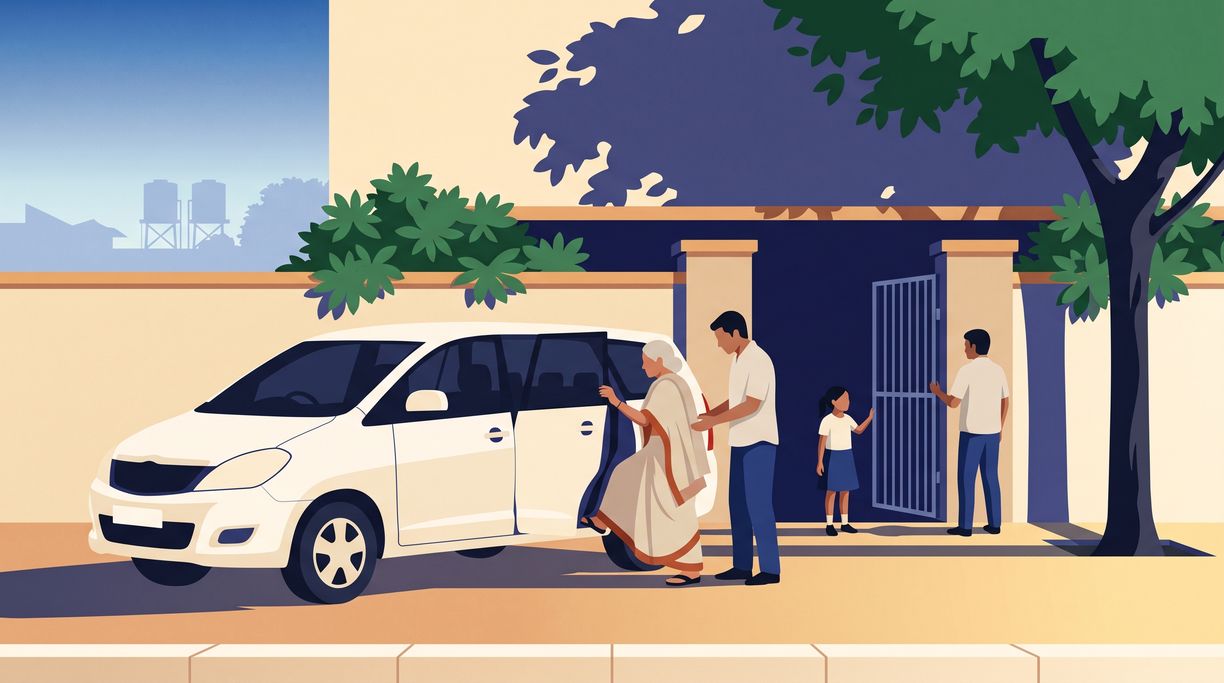
Compact MPV
Maruti Ertiga, Kia Carens, or similar
- Seats
- 6
- Per km
- From ₹14.00
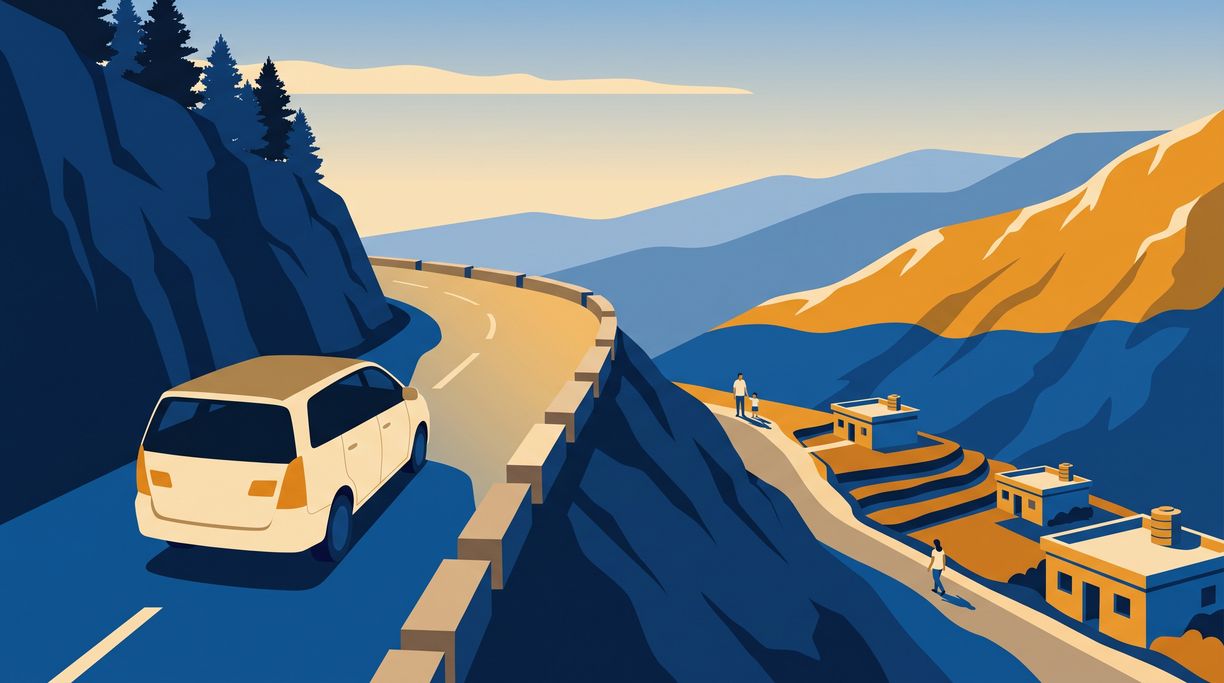
Full-size MPV
Toyota Innova Crysta, or similar
- Seats
- 7
- Per km
- ₹19.00
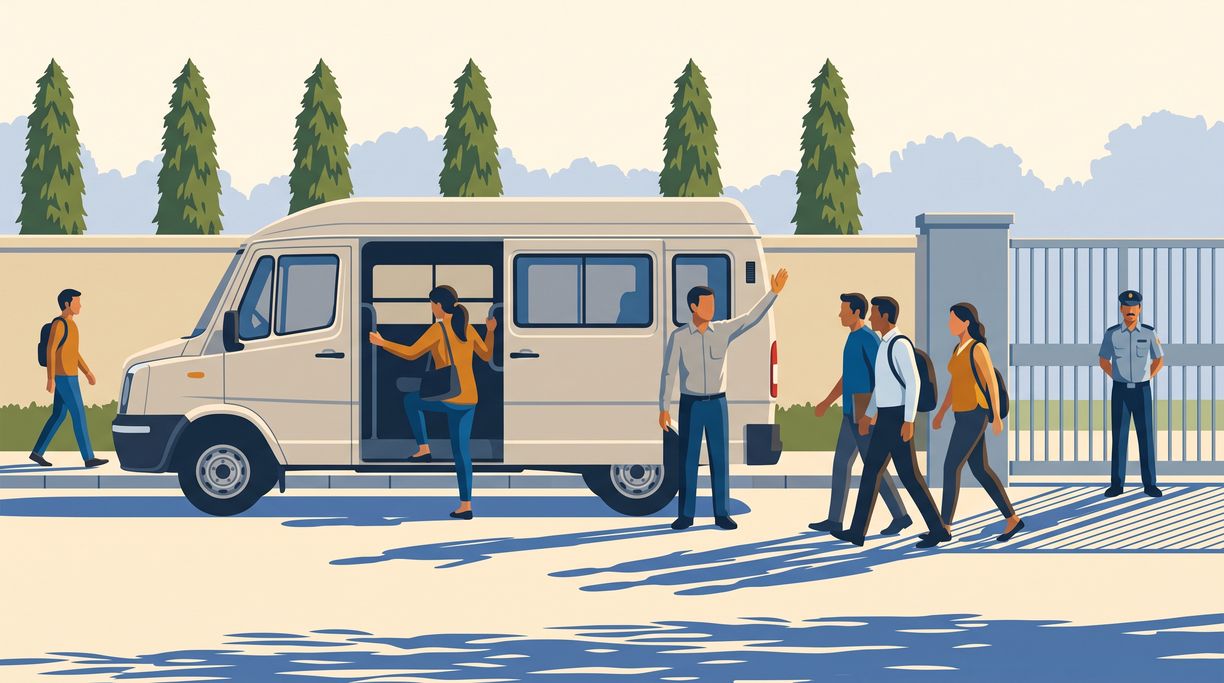
Tempo traveller
Force Traveller 12/17/25, Force Maharaja 20, Force Urbania 17, or similar
- Seats
- Up to 25
- Per km
- From ₹26.00


Effective . Driver allowance is charged per calendar day and is on the rate card with everything else.
What the fare covers
In the quoted fare
- Fuel and running cost
- Whatever the trip burns.
- The chauffeur
- His driving charges for the duty.
- Maintenance, insurance and air conditioning
- The vehicle is insured and serviced, and the AC runs.
- The gate, decided before the day
- New Delhi has a Paharganj side and an Ajmeri Gate side and they are on opposite sides of the tracks. Nizamuddin, Ambala Cantt, Karnal and Panipat Junction each have their own answer. Send the train number with the enquiry and the driver is told which side to wait on.
- A driver you can ring from the platform
- His number reaches you the evening before. Platform numbers move late and a train can come in an hour behind, and on the day the useful thing is somebody to ring rather than a booking line that has to look you up.
- The walk from the gate to the car
- At most stations the car cannot come past the parking, so he stands at the gate you are walking out of and takes what you are carrying from there. He loads at the pick-up and unloads at the drop.
Charged on top
- Parking
- At actuals, with the receipt.
- Toll
- At actuals, and the FASTag statement is shared with the bill.
- Waiting beyond the free period
- Charged by the hour once the free waiting is used up.
- GST5%
- Shown as its own line on the quotation and on the invoice.
Kilometres are counted from your address to the station gate, or from the gate to wherever you are going. Not from our yard, and nothing is added for the car driving back empty afterwards. Where that distance comes to less than the 250 kilometre minimum the fare is worked from the minimum instead, and the quotation names which of the two it used before you confirm.
The figure on your quotation is the figure you pay. Everything payable at actuals is a named line on it, with a number against it, before you confirm. Nothing is added afterwards.
The questions that come in before a train

My train is running four hours late. What happens to the car?
Ring the driver as soon as you know, and ring the office as well if it is a long delay. A late train is easier to plan around than a late flight because the running position is public, so the driver can leave later instead of standing at the station on your bill. Waiting beyond the free period is charged by the hour and it appears on the quotation as its own line.
My ticket says Delhi. Which station is that?
Look at the code on the ticket, because there are four and they are nowhere near each other. NDLS is New Delhi, DLI is Old Delhi, NZM is Hazrat Nizamuddin and ANVT is Anand Vihar, which is across the Yamuna. Send the code or the train number with the enquiry and the driver goes to the right one.
Is Ambala Cantt the same station as Ambala City?
No, and it is the most common mix-up on this stretch. Ambala Cantt is the big junction where the long-distance trains stop, Ambala City is a separate station at a separate address, and a train that halts at one may not halt at the other. We serve both. The fare differs because the distance does.
Can the driver come on to the platform to help me?
Not usually. Coming on to a platform needs a platform ticket, and at most stations the car cannot go past the parking anyway. He waits at the gate you are coming out of with your number on his phone, and he takes the bags from there. If you want somebody standing inside with a board, say so with the enquiry, because it has to be arranged rather than asked for on the day.
My train gets in at 3.40 in the morning. Is there a car?
Yes, and it is the same car at the same per-kilometre rate. The figure for your class does not move for the hour, so a train in at half past four is quoted off the same line of the card as one at half past four in the afternoon. The line is answered at any hour and the driver is told the night before which arrival he is on.
Am I paying for the car to come back after a drop?
No return leg is charged: the fare is worked out from the kilometres between your address and the station gate, and the car’s run home is ours. Where that distance comes to less than the 250 kilometre minimum the fare is worked from the minimum instead, and the quotation says which of the two it used.
Parking at a large station is metered by the minute at the pick-up bay and is passed through at what it cost, with the receipt. Waiting beyond the free period is charged by the hour and appears as its own line on the quotation. A driver cannot come on to a platform without a platform ticket and at most stations the car cannot go past the parking, so he waits at the gate unless somebody standing inside has been arranged in advance.
Sending an enquiry is not a booking and does not hold a vehicle. We price the trip, send you a fixed all-inclusive figure in writing, and nothing is reserved until you confirm that figure.

Which station, and which train. That is enough to price it.
A fixed, all-in figure and the vehicle class, usually the same day, 9 am to 9 pm.
Written quotes 9 am to 9 pm, seven days. The line itself is answered at any hour.